Translation Services Queens
Translation services Queens offices and families ask for
Translation services Queens residents request usually begin with a document that has to be read by someone else: a clerk in Kew Gardens, a registrar at a college in Flushing, a landlord in Jackson Heights, a lawyer preparing a filing. This page describes the documents that come up most often in the borough and the offices that receive them. It does not describe a local branch, because there is none; every file is handled remotely. What the page can do is shorten the first conversation, so the quote form arrives with the right document, the right language pair and the right office name already attached.
Documents we see from Queens clients
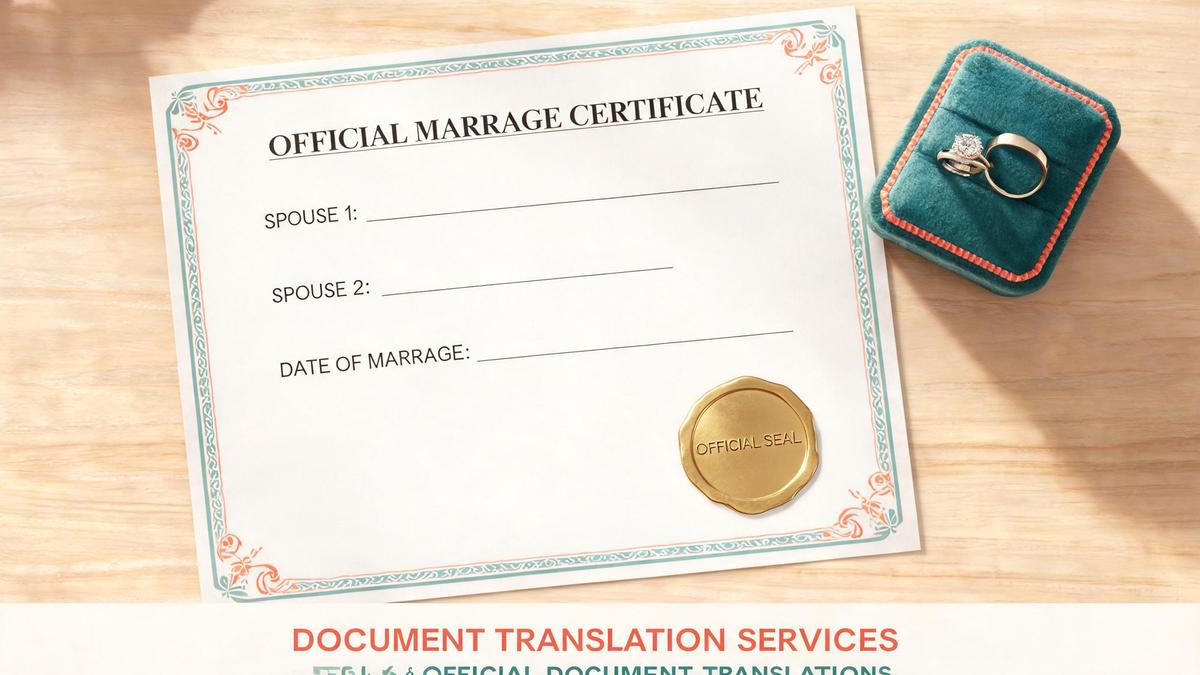
The borough produces a particular mix. Birth and marriage certificates from several countries arrive for school enrollment and for family filings.
- Transcripts from Queens College and from overseas universities arrive for credential review. Deeds, leases and co-op board packages arrive for property matters. Medical records from borough hospitals arrive for insurance and disability claims.
- Court orders from the county supreme court and the family court arrive for enforcement and for immigration support. Each document family carries its own layout problems, and the page that matches the family explains what the reviewer will check.
A birth certificate is one of the most common documents that arrive for translation. It is short — usually a single page — but it carries a seal, a registration number, and a date of issue that the English version has to reproduce exactly. The translator keeps the layout of the original, because the receiving office compares the translation with the source and checks that every element is present.
Related on this site:
Common questions
- how much does translation services queens cost
- how long does translation services queens take
Which Queens office will read the file
The receiving office decides more than the price.
A filing with the county supreme court needs the case caption reproduced exactly and the page numbering preserved. A surrogate's court filing needs the estate caption and the signature page handled with care.
A college registrar usually wants the transcript layout kept and the grading scale explained.
A co-op board wants the names and the dollar figures matched across the lease and the rider. Tell us which office is involved, and the assessment will follow its convention instead of a generic template.
Academic documents — diplomas, transcripts, and letters of enrollment — present a different challenge. A transcript may list courses, grades, and credit hours in a format that is specific to the issuing institution. The translator renders the course titles and the grade scale, and keeps the institution's name and the date of issue.
Certification for Queens filings
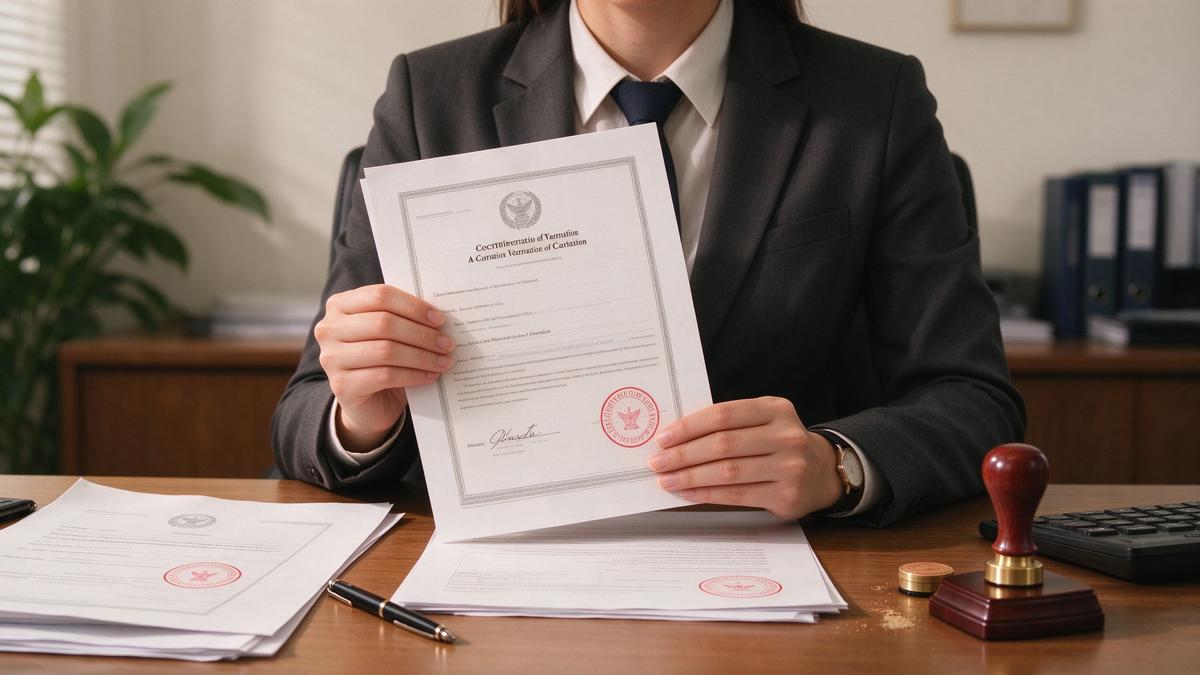
A Queens filing that asks for a certified translation receives a signed statement of accuracy with the delivered file. The statement names the translator, identifies both languages and confirms the translation is complete. It is not a county document and it is not issued by a court. If a clerk asks for an apostille or a notarised copy, that is a separate process with its own office and its own fee, and we will say so rather than folding it into the quote. A certified translation services Queens request is therefore about the statement that travels with the file, not about a local seal.
The work begins with a review of the source file. The translator checks that every page is legible, that the language pair is confirmed, and that the receiving office's requirements are known before the quote is issued. This first pass often surfaces questions: a page is missing, a seal is partly illegible, the file is in two languages and only one was mentioned. Resolving these questions before translation starts prevents the delays that come from a file being returned for clarification halfway through the work.
Related questions
- do you offer translation services queens
- what is included in translation services queens
Layout habits in Queens documents
Queens files often combine several formats in one package: a certificate with a raised seal, a typed court caption, a handwritten address change, a lease rider with initialled amendments. The translation follows the source page by page and marks each element in the position where it appears. Chinese, Korean, Bengali and Arabic names are transliterated consistently, using the spelling already present in the client's other documents where one exists. If two documents in the same package spell a name differently, we flag the difference instead of choosing silently, because a clerk will notice it.
Once the scope is confirmed, the translator works through the document in order, keeping a record of terms, names, and formatting decisions. The first draft is then set aside for a review pass, where a second reader checks the translation against the source. This double-check is the point at which most errors are caught: a name spelled two ways, a date that does not match the source, a paragraph that was summarised when it should have been translated in full.
How a Queens request moves
Send the document, the language pair and the office name through the quote form.
The assessment records the page count, the format the office expects and any page that is hard to read. A written quote follows, with translation and review shown as separate lines.
Once approved, translation starts from the source, the second reader compares the result page by page, and the finished file is delivered by email or download. Nothing in that sequence requires a trip to a courthouse or an office, and nothing changes because the client lives in one neighbourhood rather than another.
A translation that will be filed with an official body goes through a second review before delivery. The reviewer checks names, dates, numbers, and seals against the source, and confirms that the English reads as a document rather than a summary. This step catches the errors that automated tools miss: a transposed digit in a date, a missing middle name, a seal that was described but not translated. The review adds time to the schedule, but it is the reason a certified translation survives scrutiny by a court, a university, or a government office.
Questions this section answers
- can you provide translation services queens
- do you offer rush translation services queens
Names, addresses and dates in review
The finished file is delivered in the format the receiving office accepts. Some offices want a PDF that mirrors the source layout; others accept an editable Word document or a plain text version for their own records. The delivery message names the source file, the language pair, the page count, and the date, so the recipient can match the translation to the request without opening the file. When the translation is delivered by email, the message also states whether a signed statement of accuracy is attached and what it covers.
Delivery to any Queens address
Delivery is remote and does not depend on the borough. The finished translation arrives as a PDF for filing, an editable file where the office permits one, or both, with the signed statement attached. The file name carries the client's reference so it can be matched to the office's cover sheet. If the receiving office rejects a page because of presentation, we correct the format when the error is ours. If the office changes its rule, the job is reopened with a new scope and a new written quote, so the client is never asked to approve an open-ended revision.
After delivery, the file is kept for the period stated in the data retention policy. If the receiving office asks for a correction — a name that was spelled differently on the source, a date that was misread — the translator can locate the original file and issue a revised version without starting from scratch. This is one reason the quote separates translation from review: the review step creates the record that makes later corrections possible.

Further questions
- is the translation services queens certified
- how do I get a translation services queens quote
Boundaries worth stating in Queens

We translate documents and review them against the source.
- We do not advise on immigration strategy, we do not prepare filings, and we do not predict whether a clerk will accept a particular format. We also do not authenticate a document or confirm that a foreign seal is genuine. Those questions belong to the office, to a lawyer or to the issuing authority.
- What we can confirm is the language pair, the scope, the format and the price in writing before work starts. If a document falls outside what we can read, we say so at assessment rather than after delivery.
Terminology consistency matters more in legal and medical translation than in general text. A contract may use the same term for a party, an obligation, or a deadline across dozens of pages; the English version has to use the same English equivalent every time. A translator keeps a running term list during the work, noting each term and its chosen English counterpart. When the file is reviewed, the list is checked against the translation to catch any drift in wording.
Related on this site:
Questions from Queens clients
Do you have an office in Queens? No. The work is remote; there is no counter in any neighbourhood. Can you match a Queens court's caption format? Yes, when the caption or the court's instruction sheet is sent with the file.
Do you translate documents from more than one language in one package? Yes, each language pair is listed separately in the quote.
How is a name spelled if my documents disagree? The reviewer follows the primary document's spelling and flags the difference for you to confirm.
Can I send phone photos? Yes, if the seal and handwritten notes are legible; otherwise we ask for a better scan. How do I start a translation services Queens quote? Send the document and office name through the form. Document translation services and New York translation services use the same request.
A translation that will be filed with an official body carries a statement of accuracy that names the source file, the language pair, and the date of completion. The statement is signed by the translator or by the company, and it confirms that the translation is a complete and accurate rendering of the source. When the receiving office asks what the statement covers, the answer is precise: it covers the translation, not the authenticity of the source document, and it does not guarantee that the office will accept the filing.